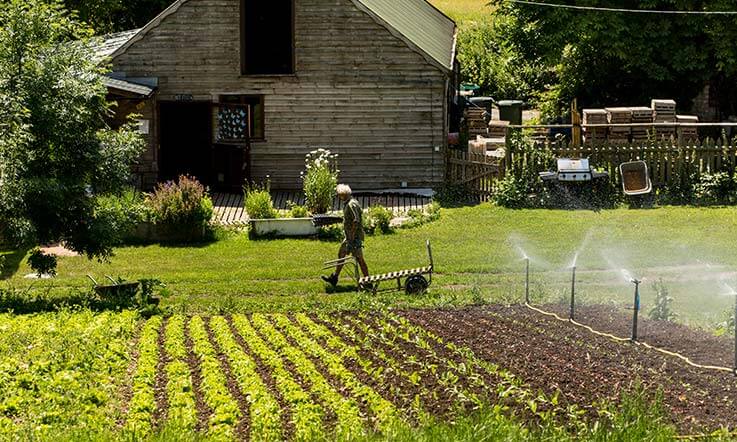

Wakelyns in Suffolk is one of a few mature agroforestry sites across the UK. Initially planted in 1994 by Martin and Ann Wolfe, the site has since developed into a diverse landscape supporting multiple enterprises and a plethora of flora and fauna. See Wakelyns Agroforestry: Resilience through Diversity
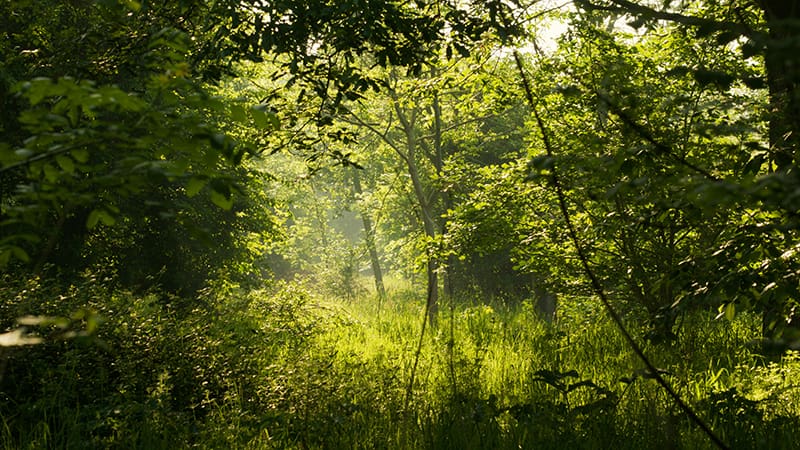
A key part of any agroforestry site is the trees themselves and their management. This is no different at Wakelyns, however, the journey has not been as smooth and directed as is encouraged nowadays but such are the risks of a pioneering site. Despite initial good intentions, little thought was given to the management of the planted trees in the short term and even less so for the long-term, as is perhaps evidenced by the dense cover seen in Water and Far field at the site today.
In the early 2000s a local arborist, Paul Jackson, took on the management of the trees which led to a more structured approach. After years of service, Paul has started to wind down into a well-deserved retirement, however, with his departure also comes the loss of a wealth of knowledge. This new Wakelyns Tree Management booklet written by ORC’s Christian Gossel and Paul Jackson hopes to capture some of the expertise and lessons learned from Paul and the work at Wakelyns over the years. This resource can not only be used to inform future management and research on the trees at Wakelyns but also provides an insight for current agroforestry designers and practitioners as to how they can manage their system as it develops. Adapting to the unexpected changes and dynamic product markets is all part of the journey and despite 30 plus years of growth, the future for trees at Wakelyns is still wide open.
The booklet focuses on trees in two fields as these are the most mature and diverse, requiring multiple approaches for management. Each major species is covered with details on their management approach to date, potential products, and any potential future changes to management. Historical data records also provide some insights into tree performance over the years and individual examples are highlighted.
While focused on Wakelyns, the insights on each species are applicable to new agroforestry sites either being planned or recently planted. Many new silvoarable sites are now being planted, however, there are few examples of mature silvoarable sites to learn from. This booklet provides key examples how trees can be managed as they grow to minimise shading and competition. Even at Wakelyns, however, there are questions over future management which will become increasingly relevant to other sites over the next decades as newly planted trees mature. This booklet explores these questions which will shape the future of agroforestry sites in the UK.
This work has been supported by the Progressive Farming Trust and Stewardship’s partnership with an anonymous donor.
See also: Wakelyns Resources Hub
Help secure Wakelyns future here