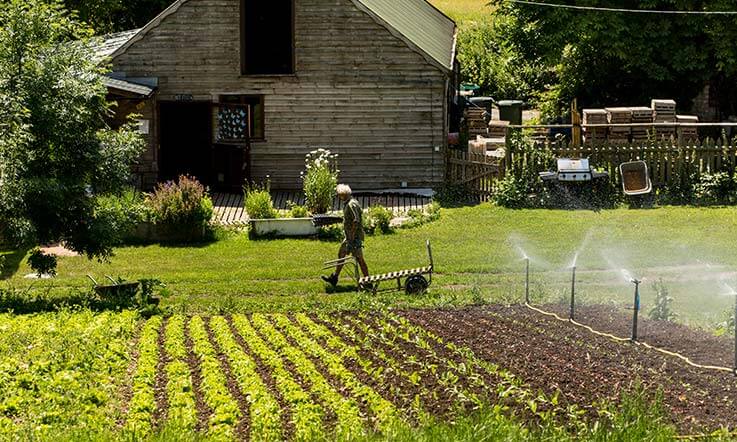

The BBC Food Programme devoted a whole episode to Guy Singh-Watson to mark his forty years as an organic vegetable grower and ‘Godfather of the Organic Vegetable box.’ Riverford grew from Guy Singh Watson’s small organic vegetable operation into a major employee-owned veg-box business, while facing ongoing pressures around affordability, supply, and climate resilience.
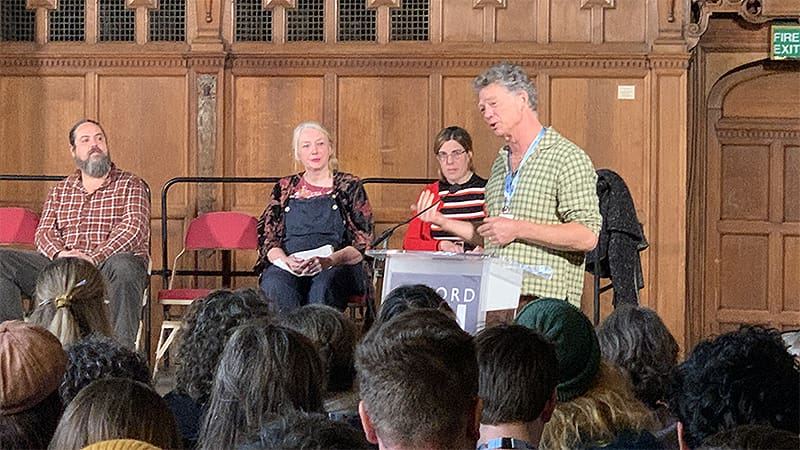
Leyla Kazim meets Guy at the farm where it all began and he reminisces about his childhood, and how and why he came back to the farm after jacking in a career as a management consultant in London and New York. He began growing vegetables in 1987 and launched his veg-box deliveries in 1993, building on advice and initial customers from local growers and veg box pioneers Tim and Jan Deane. Guy reflected on the stress and personal costs of rapid growth before the company’s move to employee ownership in 2018.
ORC’s business and markets researcher Rowan Dumper-Pollard was asked what influence Riverford has had on the development of the UK’s organic market over the past 40 years, and said: “Riverford and probably Yeo Valley as well are some of the leading businesses in the organic sector. They’ve really kind of demonstrated organic can work at scale. Riverford’s quite distinctive in that it operates outside of your typical large multiple retailer type supply chain, and they’ve been very good at concisely sharing information on why organic farming is good, but not doing it in a overbearing way. It’s often quite short, simple messaging.”
Rowan was also asked about the UK organic sector: its growth and the gap between consumer demand and domestic supply. “The sector itself grew quite significantly up until the sort of 2007-2008 financial crisis and and crash that followed. As a result, you’d you’d have a very loyal customer base who kind of kept organic where it’s been. But we are seeing more and more demand for organic over the last sort of five or so years. People want more sustainable produce. They want produce they perceive to be more healthy. We did a survey in 2024 of 2,000 people, and we found that 67% of those people had actually bought organic food, and I think 10% of those people would always buy four or more organic products every week. So we feel that there is strong market growth for organic at the moment.
“We’re importing a lot of our produce to meet meet this gap between supply and demand. So, could organic farmers and growers meet that gap? They certainly could. But what what’s been missing from the picture has been consistent evidence that the market will stay there. Essentially,if you’re seeing pauses in farm support, for example, if you’re seeing increased external pressures on consumers, farmers and growers, they want certainty before they they invest in a market which could potentially disappear.”
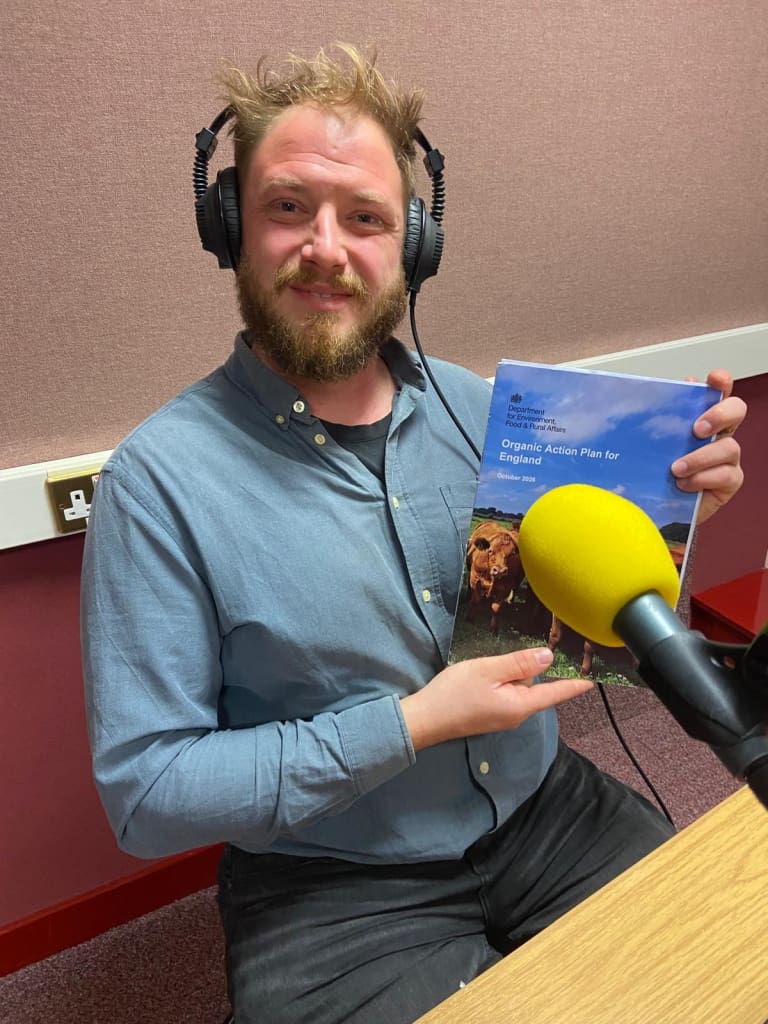
Asked about what England’s new organic action plan could mean for farmers and growers Rowan said: “A lot of growers and farmers have been dealing with very difficult market conditions, putting a way of farming that is really important to them first. Growers could potentially expect support for more growers and the sustained support for growers that are already out there growing organic fruit and veg. They could expect efforts to be made to improve consumer awareness of organic food and why it might be important in this discussion about sustainability in food and farming in the UK. And they could also expect efforts to increase the number of different markets that they could be able to access, for example, through public procurement initiatives like selling fruit and veg to schools and other kind of public canteens.
Talking about our Evidence Review for Defra Rowan said: “What we found was that there was an overwhelming body of evidence suggesting organic can deliver improved biodiversity at farm.” That research also found evidence of benefits for soil health and reduced chemical exposure, while also identifying a need to help farmers manage yield challenges during the transition to organic.
After Rowan’s interview, the programme turns to climate pressures on Riverford, particularly drought and Guy’s call for winter water storage. The Environment Agency explains that it is supporting farm resilience and working to speed up reservoir permits. The programme then meets Guy’s wife, Geeti, who discusses her ethical hospitality businesses, their shared commitment to organic food and the importance of speaking up for change. Guy describes returning to growing vegetables, how his autism diagnosis helped him understand himself, and why he uses his public platform to challenge supermarket practices. He reflects on the future of organic farming and what slowing down means to him.
The programme is available to listen to at: BBC Audio | The Food Programme | Guy Singh-Watson: A Life Through Food (Rowan’s interview is at: 23.38 to 28.34)